Archaeological evidence indicates that the area north of modern-day Sami was inhabited as early as the Paleolithic period. Artifacts discovered there are on display at the Archaeological Museum of Sami. Sami is also mentioned in Homer’s Odyssey, providing the earliest known literary reference to the town as part of the kingdom of Odysseus.
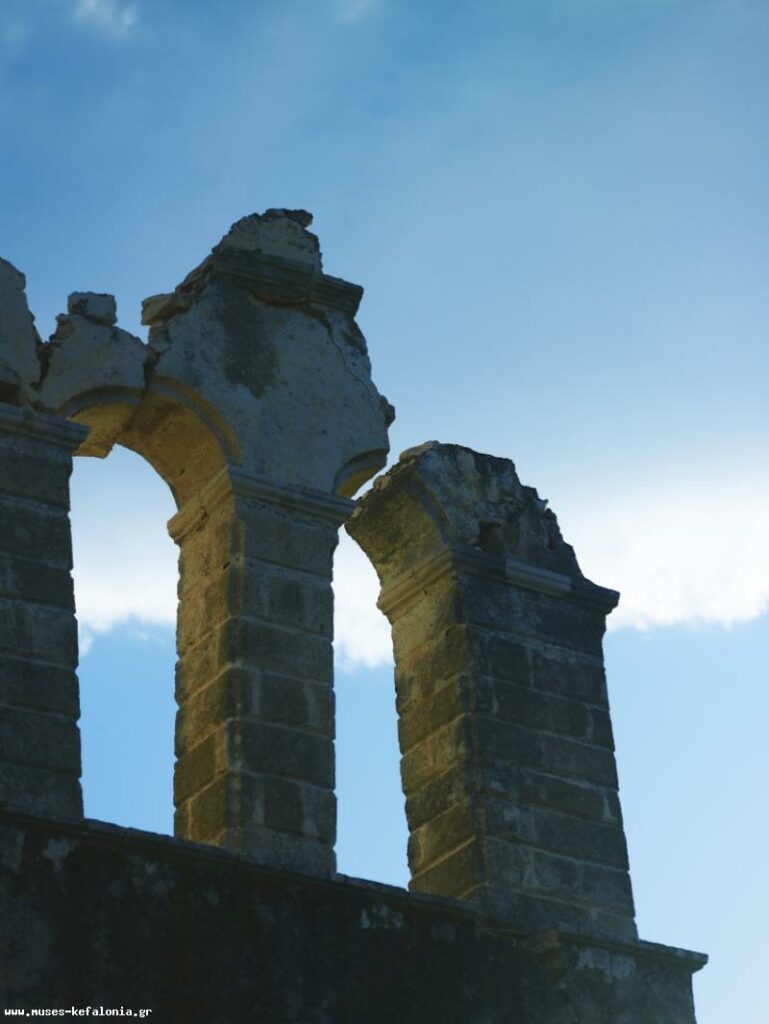
In the 5th century BC Sami was mentioned as one of the four cities-countries of Kefalonia: Krani, Pali, Sami and Pronni. The preserved segments of the Acropolis of Sami hint to the period.
Later, in 189 BC, Sami put up fierce resistance during a four-month Roman siege. The city eventually fell to the Romans in 188 BC and was subjected to looting, destruction, and the enslavement of many of its inhabitants. Owing to its strategic location, Sami was subsequently developed by the Romans and became an important stop along the maritime route between Greece and Italy.
Moreover, many archaeological findings have been discovered in Sami such as tombs, baths, an ancient harbour, etc.